That was the question Schneider Electric and researchers from Imperial College London decided to examine in the context of the UK’s ambitious decarbonisation targets. SMEs account for 36% of domestic greenhouse gas (GHG) emissions. Supporting SME decarbonisation is therefore vital for achieving net-zero by 2050, while also ensuring energy affordability, boosting productivity, enabling national and local economic growth, and maintaining the UK’s leadership in low-carbon innovation. Although SMEs have access to support to decarbonise, uptake remains limited due to barriers unique to SMEs.
A unique set of challenges
The team from Imperial, led by Dr Gbemi Oluleye, investigated the unique challenges UK-based SMEs face when it comes to decarbonising their operations. SMEs are challenged to operate their businesses day in, and day out, often without the robust supports built into larger corporate structures. They can be challenged with lower profit margins, limited internal knowledge, higher cost of capital – ultimately a lack of bandwidth to realise even cost-saving investments if they do not help them deliver for their customers in the immediate term. Furthermore, data from the British Business Bank shows that most SMEs are yet to implement comprehensive decarbonisation strategies despite having access to a range of decarbonisation technologies including clean energy generation and operational energy efficiency.
Based on the findings, the team’s report recommends a number of policy and financial interventions to support SMEs in their decarbonisation journeys, while being mindful of the challenges and parameters SMEs operate within and the Government’s limited fiscal headroom.
Further government support and the importance of collaboration
In June 2025, the Government announced its much-anticipated Industrial Strategy, alongside several Sector Plans. The Strategy and Sector Plans provide much-needed clarity on the Government’s approach to supporting sustainable industrial growth. Specifically for manufacturers, the headline policy measure to tackle the inflated cost of energy is vital to businesses of all sizes. But our report notes that UK SMEs need additional support, such as increased understanding and awareness of the business benefits of decarbonisation and financial support to adopt new technologies and conduct audits.
Environmental benefits = Commercial benefits
Decarbonisation is not just vital for the planet; it also comes with huge business benefits. By adopting energy efficiency and management solutions, businesses in the UK can save on their energy bills – which is critical as the UK has some of the highest energy costs in Europe. Achieving the UK’s the 2030 and 2050 decarbonisation targets centres on increasing awareness around both the business and competitive, but also the environmental, benefits of decarbonisation. I hope you will read the report and engage with your ecosystem, including your Schneider Electric contacts, to see how your company can continue its decarbonisation journey and meet its business goals.
Read and download the full report by Dr Oluleye, Dr Aidan Rhodes, Luke Hatton, Zhenyu Tan & Elsy Milan, delivered via Imperial Consultants and Imperial Business Partners.
About the author
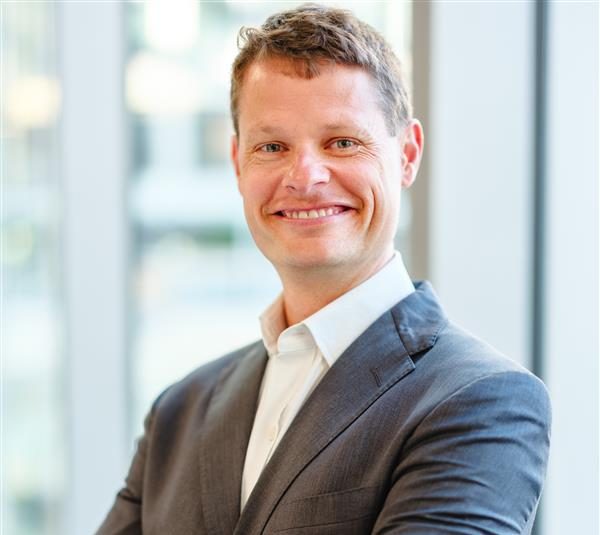
Layton Hill, Vice President Strategy UK & Ireland
From July 2025, Layton leads the UK & Ireland Strategy team, where he is responsible for corporate intelligence, strategic projects, and operational sustainability for the UK & Ireland. Layton and the strategy team work across business units and directly with customers, driving strategic initiatives from idea to implementation.
He will also be leading sustainable development and the delivery of Schneider Electric UK and Ireland’s sustainability commitments.
Layton joined Schneider Electric in 2023 and has played a pivotal role in the Transactional Business team, helping to drive continuous improvement, product commercialisation, and go-to-market strategy.
Prior to Schneider Electric, he spent ten years with Danaher’s water quality group in product, marketing, sales leadership, and general management in North America and Europe.



Add a comment