Benjamin Franklin once posited that, “When the well is dry, we know the worth of water.” Today, it’s a poignant reminder that although integral to our lives, water itself is a precious and limited resource.
Despite this, many industries still discard water after a single use, treating it as a burden rather than a resource.
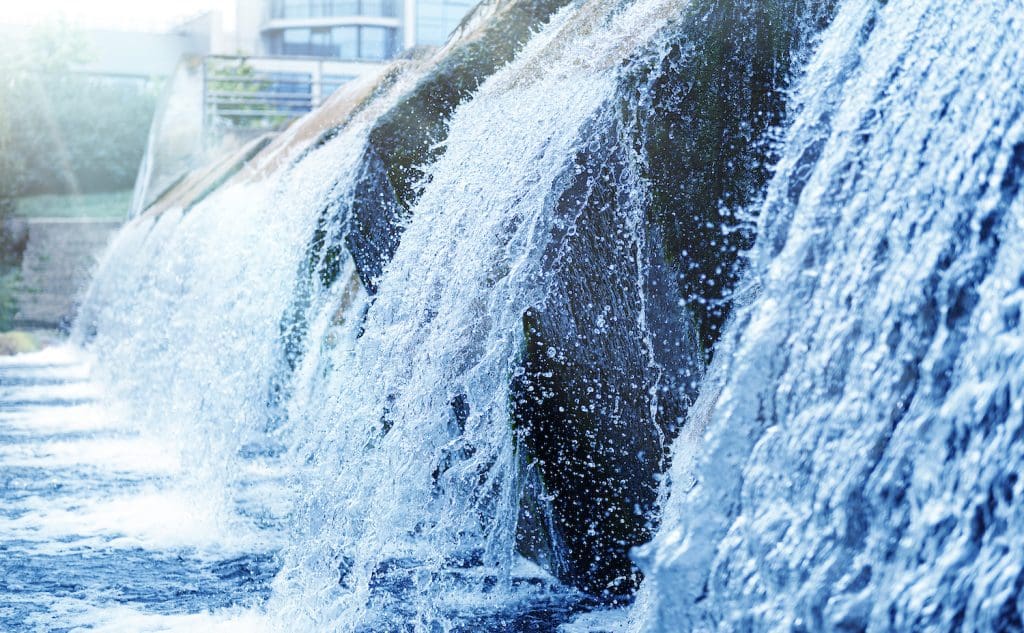
But water doesn’t vanish after use—it can be reclaimed, treated, and reused. This principle lies at the heart of water recovery, a process that conserves water and unlocks valuable resources from what was once seen as waste. From energy to fertilizers, the potential of water recovery is vast, reshaping how we think about water management.
We need to redefine our approach. What if wastewater treatment plants became biofactories, turning waste into valuable resources like clean water, energy, and minerals? In a world facing water scarcity and rising waste production, the key to sustainability lies in maximizing recovery.
Let’s explore how water recovery can transform industries, the technologies driving this change, and why it’s critical for a sustainable future.
The broad potential of water resource recovery: Unlocking hidden potential
Every liter of wastewater contains energy, nutrients, and materials that can be extracted, repurposed, and reintegrated into the economy. Broader water recovery strategies, encompassing wastewater treatment, waste management, and desalination, create a circular model where nothing is wasted and everything is valued. By leveraging advanced treatment technologies, facilities can extract:
- Clean water for agricultural irrigation, industrial processes, and even potable
- reuse.
- Energy in the form of biogas, electricity, and thermal energy.
- Nutrients such as nitrogen and phosphorus for fertilizers.
- Industrial materials like sodium chloride, potassium chloride, and rare minerals from brine mining in desalination plants.
- Biochemicals and bioplastics from plastic recycling.
For example, in wastewater treatment, biogas from sludge can be converted into electricity or upgraded to biomethane, contributing to energy neutrality. Similarly, desalination plants, which produce fresh water from seawater, are mining valuable minerals like lithium and magnesium from the brine byproduct. These processes reduce waste while creating new revenue streams, making water recovery a win-win for the environment and the economy.
The cost of inaction: Waste and its impact on water
Global waste production is rising rapidly. We generate over 2 billion tons of municipal solid waste every year—enough to reach the moon and back twice if packed into shipping containers. In addition, 30% of food (1.3 billion tons) is lost or wasted annually, contributing significantly to methane emissions. By 2050, nearly 70% of the world’s population will live in urban areas, increasing waste output.
This waste also contributes significantly to greenhouse gas emissions. The sector is responsible for 20% of global methane emissions, a gas that is 27 times more potent than CO2 in trapping heat. Without sustainable waste recovery, we are wasting valuable resources and accelerating climate change.
Improper waste management also puts immense pressure on water resources. Landfills, industrial runoff, and untreated waste contaminate rivers, lakes, and groundwater, worsening water scarcity and threatening ecosystems. As waste volumes continue to rise, so does the risk of water pollution, turning an already urgent crisis into a compounding environmental challenge.
Regulation and innovation: Driving circularity
Governments and municipalities worldwide are enacting policies to transition toward circular water and waste management. Some key initiatives include:
- The European Green Deal aims for zero pollution by 2050 and mandates bio-waste separation and recycling.
- China and India are implementing strict waste prevention laws and promoting circular economies.
- Australia’s National Waste Policy aims for a 10% reduction in waste generated per person, an 80% recovery of all waste, and a 50% reduction of organic waste to landfills.
- More than 550 municipalities worldwide have implemented zero-waste policies, accelerating the shift from disposal to material recovery and recycling.
To meet these ambitious goals, industries must embrace digitalization, automation, and AI-driven process optimization to enhance efficiency and maximize recovery.
Technology’s role in water and waste recovery
Digital tools are transforming waste and water recovery. Smart operations and process optimization use AI-driven analytics and digital twins to optimize digestion, combustion, and filtration. Advanced automation improves energy efficiency, reduces chemical use, and enhances asset performance, cutting costs and minimizing environmental impact. For example:
- Microgrids balance energy supply and demand, integrating renewable energy sources.
- Anaerobic digestion generates biogas, reducing reliance on fossil fuels.
- Desalination brine mining extracts valuable minerals like lithium and magnesium for industrial use.
With these technologies, facilities can recover more resources while reducing emissions and operational costs.
A global movement towards sustainability
The shift towards sustainable water and waste management is a global movement, and there are already many successes to celebrate:
- Egypt: The New Delta project is reclaiming agricultural wastewater to irrigate 1.2 million acres of desert land, ensuring food and water security for millions.
- China: The world’s largest waste-to-energy plant processes 6,000 tons of household waste daily, generating 150 MW of electricity.
- France: Waste-to-energy and anaerobic digestion projects are pushing the boundaries of circularity.
The future of water, wastewater, and waste recovery
The potential for water recovery is limitless. We need to shift from disposal to recovery, recycling, and reuse. With innovative technologies and a commitment to sustainability, water recovery conserves water and creates a circular economy that values everything and wastes nothing. With the right technologies and strategies, we can transform waste into value—securing water for future generations.
Find out more about Schneider Electric’s water recovery and resource management solutions.



Add a comment