Ask any conductor or composer, and they’ll tell you the same thing: an orchestra is a living, breathing organism. Every section must work in perfect harmony. If even one is out of sync, the entire performance can unravel. In much the same way, a critical infrastructure operation—whether a hospital, data center, automotive plant, or semiconductor fab—requires precise coordination.
Every element, from structure to systems, must function together seamlessly to bring the design to life. Systems like HVAC, lighting, automation, and power must work in concert to keep critical infrastructure functioning as intended. Modernizing one without considering the others risks throwing the entire system out of balance, which is why a successful modernization strategy starts with understanding system interdependencies.
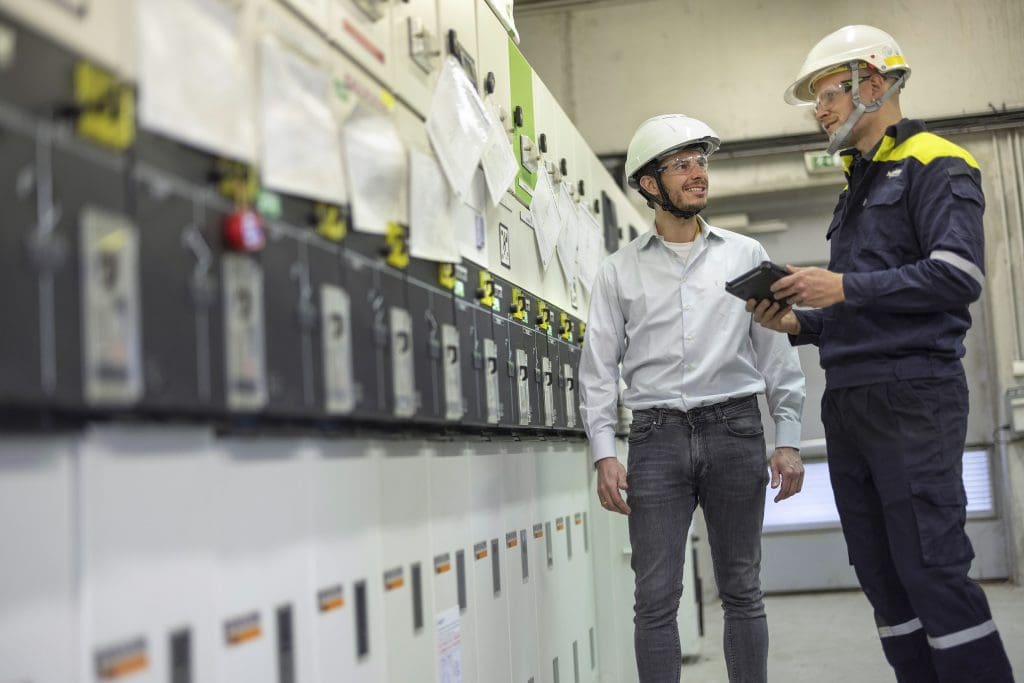
Effective critical infrastructure system upgrades require a living strategy. As infrastructure ages and operational demands intensify, more owners are shifting from massive retrofits to adaptive, data-driven upgrades. They’re using diagnostics to identify the most significant risks, prioritize changes that minimize disruption, and evolve systems incrementally. Complexity can paralyze action. Therefore, visibility and timing are everything.
Why “rip-and-replace” doesn’t scale
There’s a common misconception that modernization means replacing entire systems in one go, but the reality is far more nuanced. In critical infrastructure systems, most environments are layered; some components are five years old, others are twenty-five. When you pull out a system without understanding its dependencies, you can create more problems than you solve. For example, upgrading a building management system (BMS) can unintentionally compromise HVAC performance, simply because the systems weren’t evaluated.
All-or-nothing thinking can lead to unnecessary risk. But modernization doesn’t need to be disruptive. A carefully planned and staged approach not only reduces risk but also provides room to learn and adapt as you proceed.
Let data lead the way
One of the biggest shifts in recent years is the growing use of digital diagnostics to guide investment. Smart sensors, advanced metering, and condition-based analytics give facility teams a clear picture of system health and energy performance. With this visibility, it becomes much easier to make confident decisions—where to begin, what to prioritize, and how to time each step.
This approach also supports long-term planning. Rather than reacting to failure or waiting for budget windows, teams can build out multi-year roadmaps. For example, a customer might decide to modernize one floor at a time or start with the systems that have the highest energy consumption or maintenance costs. That kind of granularity gives teams control over both performance and disruption.
Timing is everything in critical infrastructure upgrades
There’s also a strong argument for modernization as a tool for risk mitigation. As regulatory requirements increase, particularly in areas such as energy efficiency and indoor environmental quality, having outdated infrastructure becomes a significant liability. But that doesn’t mean customers should rush to replace everything.
Instead, critical infrastructure upgrades should match the cadence of your business. If there’s a seasonal slowdown or planned renovation on the horizon, that might be the right window to act. If your team is already stretched thin, it may be more effective to take smaller steps by using service programs or modular upgrades. There’s no one-size-fits-all approach, and that’s a good thing. It means you can tailor the process to fit your operational reality.
Collaboration across stakeholders
Another key element of successful modernization is alignment across departments. Facilities, IT, finance, and operations each have a stake in how their critical systems perform. When we bring these voices together early in the planning process, the outcomes are consistently better.
In some cases, that collaboration leads to the adoption of digital platforms that unify data from disparate systems. In others, it helps uncover interdependencies that weren’t obvious before. But in every case, it ensures that modernization is not only technically sound but strategically aligned with broader business goals.
The partner ecosystem: Avoiding the “zero-sum” trap
No single vendor can do it all, nor should they. Effective projects are built on partnerships where each player brings a specific strength to the table: system integrators, service providers, consultants, and OEMs. When roles are clearly defined and strategically aligned, these collaborators don’t compete for the same slice of the pie; they grow the pie together.
This improves scheduling, reduces surprises, and ensures that each phase of the upgrade process builds on the last. On a recent project, the facilities team, controls contractor, and energy consultant worked in close coordination from the start. Because they were brought in early, we avoided redundant work, reduced downtime, and completed the upgrade faster than expected, without compromising daily operations.
Let’s start with the right questions
If you’re beginning to think about system upgrades or facing uncertainty around where to start, consider asking:
- What upgrades are essential, and what can wait?
Not every system needs immediate attention. Use diagnostics and historical data to identify where performance is degrading, costs are spiking, or risks are highest. - How will one change affect the rest?
Modern critical infrastructure systems are interconnected. Replacing a single component without evaluating dependencies can create cascading issues. Look for opportunities to improve coordination, not just individual parts. - Can we align modernization with planned downtime or lifecycle events?
Timing is everything. Layering upgrades into existing renovation windows, seasonal slowdowns, or equipment replacement cycles can minimize disruptions and enhance ROI. - Who needs to be at the table?
Cross-functional collaboration between facilities, operations, IT, and finance often reveals blind spots and better options. The earlier this alignment happens, the smoother the process will be.
Modernization that empowers, not disrupts
Ultimately, modernization should feel like an enabler, not an interruption. The goal is to make systems more resilient, critical infrastructure more efficient, and teams more empowered. And that’s our path forward: one grounded in data, collaboration, and thoughtful timing.
With the right approach, you can modernize while maintaining continuity, avoid downtime, and extend the life of your infrastructure. Explore modernization strategies with Schneider Electric.
To dive deeper into modernization and sustainable transformation, download the Schneider Electric and MIT Technology Review Insights report. Explore how leading firms are tackling the modern challenges of sustainable manufacturing, and how data, asset management, and circular economy principles are helping businesses reach new levels of efficiency and optimization.



Add a comment