The U.S. is undergoing a boom in electricity demand, driven by a resurgence in domestic manufacturing, explosive data center growth fueled by AI, and rapid electrification of industrial processes. This convergence of AI and the power grid marks an inflection point in the development of our energy systems.
Data centers now consume 4.4% of U.S. electricity, more than some entire states – and will reach double or even triple that amount by 2028. Meanwhile, commercial (2.6%) and industrial (2.1%) operations are growing at three times the rate of residential users. The grid, once a backbone, is now straining under the weight of power-hungry technologies and aging infrastructure. By 2028, the nation’s peak electricity supply will fall short of anticipated peak demand and by 2033, that gap will reach an estimated 175 GW capacity shortfall – the equivalent of the power used by 130 million homes!
Without taking decisive action, we risk widespread energy shortfalls and rising costs – as well as losing economic, AI, and technological progress. It’s a stark outlook, but we also have some powerful weapons to help us overcome the energy challenge.
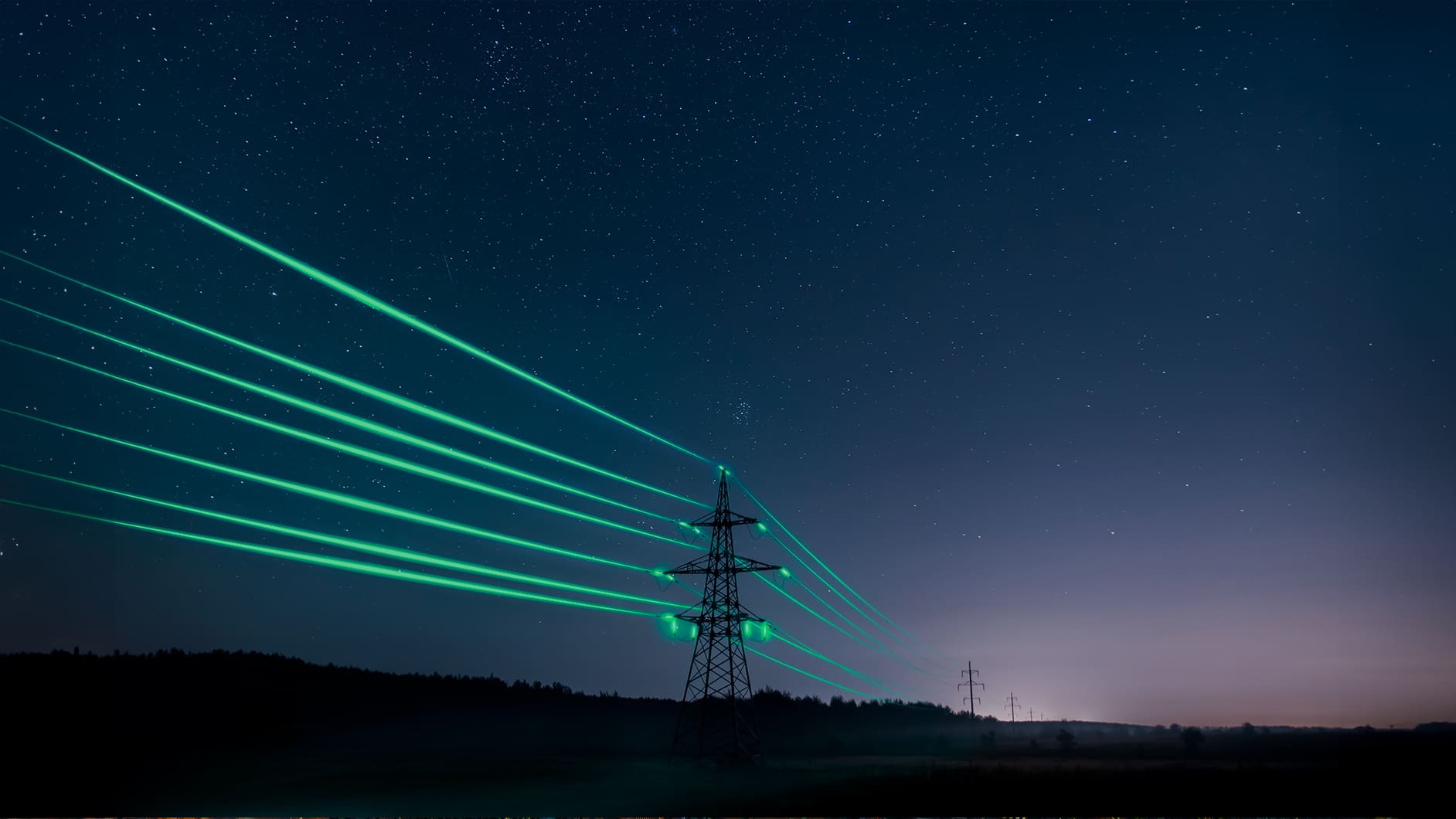
Technology convergence as a force multiplier for AI and the power grid
Solving our energy challenge requires convergence. Electrification, automation, and digital intelligence are no longer separate disciplines. They are interdependent forces that, when combined, unlock unprecedented value.
- Electrification replaces fossil-based systems with clean, reliable, efficient electric alternatives, powering everything from industrial heat to transportation.
- Automation brings precision and efficiency, enabling grid systems to respond dynamically to changing conditions and energy users to make smarter decisions about their consumption.
- Digital intelligence provides the data visibility and analytics needed to optimize performance and efficiency, anticipate failures, and lower energy costs.
Together, these technologies form the foundation of the modern energy ecosystem. They enable buildings to self-regulate, factories to adapt in real time, and cities to become more resilient and efficient.
This convergence is not theoretical. It’s happening now.
From AI-powered building management systems to software-defined automation and efficient data centers, we’re seeing real-world deployments that cut costs and improve reliability. For example, the electrification of industrial heat applications is projected to rise from less than 5% today to 30% by 2035.
The solutions are available now
Solving this crisis requires more than isolated fixes. It demands a unified approach. And forward-thinking companies are already responding.
Switch Datacenters uses heat removed from “AI factories” to help warm thousands of nearby homes. This functionality is part of every data center that Switch builds thanks to a standardized design co-developed with Schneider Electric.
Canadian refrigeration provider Oxford Energy uses a plug-and-play platform based on Schneider’s EcoStruxure Machine to lower energy consumption in industrial refrigeration systems by 50% – 70% while also reducing service, operating, and maintenance costs with remote monitoring and predictive maintenance.
On the grid side, large, centralized power plants are being augmented with hundreds, potentially thousands of on-site generation and storage resources. These assets can be coordinated to optimize grid operations for reliability and efficiency. Data centers are stepping up by becoming a powerful ally in supporting grid stability through load shifting and participation in demand response programs.
The technologies behind these examples are not experimental; they’re field-proven and ready to make a much broader impact across every sector of the economy, often in combination with one another.
A call to action
Taking action is our only option. Ensuring that we continue to own economic, technological, and societal leadership positions requires us to address the energy challenge head-on. This is an opportunity for American businesses to build their competitiveness and resilience.
This moment demands courage to challenge the status quo, clarity to navigate complexity, and commitment to stay the course. This isn’t easy, but it’s necessary. The payoff is immense because energy technology doesn’t just reduce risk; it unlocks performance and opens doors to growth.
At Schneider Electric, we are proud to partner with organizations that are leading this charge. Whether you’re just beginning your energy journey or scaling advanced solutions, our role is to help you navigate complexity, unlock new opportunities, and build a more efficient, more resilient future.
Let’s embrace this moment. Let’s channel our energy. And let’s invent the future of AI and the power grid, together.
I invite you to tune in live for our Innovation Summit North America Opening Keynote: Advancing Energy Tech for a Resilient Future on Tuesday, November 18. Watch here.




Add a comment