As demand for freshwater resources rises globally, desalination is a critical process for producing clean, potable water. However, it’s also an energy-thirsty process, consuming massive amounts of electricity that drive up both operational costs and CO2 emissions.
Variable speed drives (VSDs) greatly boost the efficiency and reliability of pumps in desalination. One such VSD solution is Schneider Electric’s Altivar™ Process Drives, which are revolutionizing desalination operations by maximizing energy optimization while keeping emissions low.
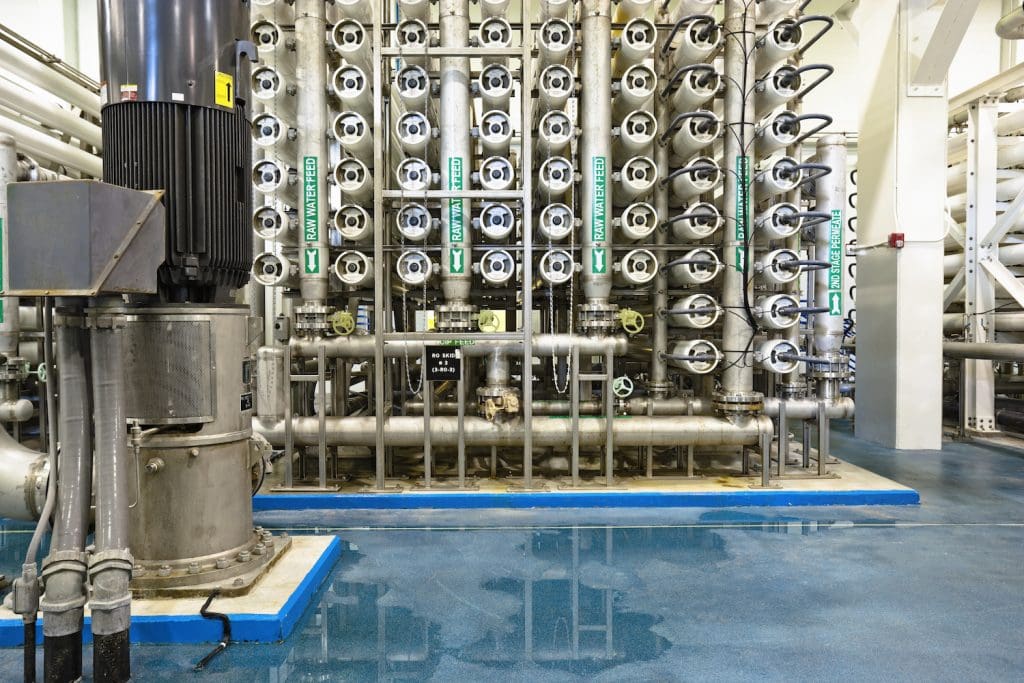
Why traditional systems fall short
Traditional desalination plants rely on fixed-speed motor-driven pumps that operate at full capacity regardless of actual demand. This energy-intensive approach not only creates massive operational waste but also drives up carbon emissions from power generation. The inefficiency stems from pumps running at maximum speed even during low-demand periods, leading to unnecessary energy consumption and increased environmental impact.
A smart water solution
By implementing Schneider Electric’s ATV6000 and ATV680 VSDs, one major desalination facility transformed its operations. These advanced process systems dynamically adjust pump speeds based on real-time demand, which promotes maximum energy optimization while maintaining the precise pressure control essential for reverse osmosis (RO) membrane performance. This results in dramatically lower emissions without compromising water production quality.
Driving down energy use and emissions
The proof is in the impact. In this case example, the desalination plant achieved a significant reduction in energy consumption, estimated at 20% to 40%. The facility now uses only 70% of the energy required by traditional throttling control methods. This translates to 30% energy savings across all ATV6000-driven pumps, with payback periods as short as 18 months. More importantly, these energy reductions directly translate into lower CO₂-equivalent emissions from power generation, contributing positively to climate-related objectives.
Beyond energy savings
The benefits extend beyond cost reduction. The smart drives’ advanced control algorithms ensure ±0.5% steady-state precision, protecting sensitive RO membranes from damaging pressure fluctuations. Their low-harmonic design maintains clean power quality with less than 3% total harmonic distortion, while patented Magnetization Autotuning technology provides instantaneous response to demand changes.
As water scarcity intensifies globally, desalination facilities that embrace VSD technology will set a new standard for sustainable, smart water production.
To learn more and gain deeper technical insights into how the Altivar Process Drives optimize energy use and efficiency, download our white paper, A greener future, starting from every drop: Lower emissions with Altivar Process Drives in desalination.


Add a comment