Industrial automation is undergoing a transformation—one that is open, software-defined, and no longer tied to proprietary hardware. This shift represents more than modernization. It is laying the groundwork for a more adaptable, sustainable, and resilient industrial future.
Schneider Electric’s vision for Open Software-Defined Automation centers on three core principles: openness, portability, and interoperability. The goal is to break down long-standing barriers and enable flexible, vendor-neutral control systems that give customers freedom of choice and the power to innovate.
__________________________________________________________________________________
“Open automation is like moving from diesel to electric vehicles. It’s efficient, flexible, and built for the future.”
Barbara Frei, EVP Industrial Automation, Schneider Electric
__________________________________________________________________________________
At the core of Schneider Electric’s vision is its flagship platform, EcoStruxure Automation Expert. It decouples software from hardware and supports the UniversalAutomation.org standard for interoperability, creating a modular system where automation code is portable across devices, dramatically improving deployment time and engineering efficiency.
Real-world examples like Zicaffe in Italy show what’s possible. By digitizing their coffee weighing process with EcoStruxure Automation Expert, Zicaffe created full traceability from bean to bag—proving that even legacy operations can embrace innovation without disruption.
From fragmentation to unification
Many manufacturers today still operate with outdated, siloed automation systems—making it difficult to unify data, processes, or applications. The Schneider Electric collaboration with Microsoft, combining Microsoft Azure Cloud with Schneider’s automation expertise, helps customers aggregate data from across the plant and generate insights with AI, quickly, securely, and at scale.
__________________________________________________________________________________
“Manufacturers are sitting on decades of fragmented infrastructure. Unifying this complexity helps customers use data faster to reduce engineering time, improve deployment success rates, and achieve faster ROI. And with AI and cloud tools, we’re scaling this capability across entire organizations.”
Dayan Rodriguez, Corporate Vice President Manufacturing and Mobility, Microsoft
__________________________________________________________________________________
In the past, programming industrial systems required weeks of development, testing, and deployment. With EcoStruxure Automation Expert engineers can simulate workflows, identify issues before deployment, and deploy at scale—all from a unified platform.
A global ecosystem, not just a standard
UniversalAutomation.org is driving this ecosystem forward. This nonprofit manages a shared-source runtime execution engine that standardizes the software layer across devices and vendors. As a result, companies can reuse automation logic, speed up deployment, and innovate more easily. The runtime execution engine allows automation code to run on any vendor’s device. With more than 100 members—including ExxonMobil, Nestlé, BASF, and Honeywell—the initiative is gaining strong momentum.
__________________________________________________________________________________
“We believe the future is fully interoperable automation. Companies will spend less time integrating and more time innovating. Automation will be a strategic advantage—not just an operational necessity.”
—Raquel Torres, President, Universal automation.org
__________________________________________________________________________________
Looking ahead
The next frontier is intelligent, self-optimizing systems powered by AI. With open automation and real-time data, organizations can move beyond insights into prescriptive action, where best practices can propagate automatically across facilities.
About the author
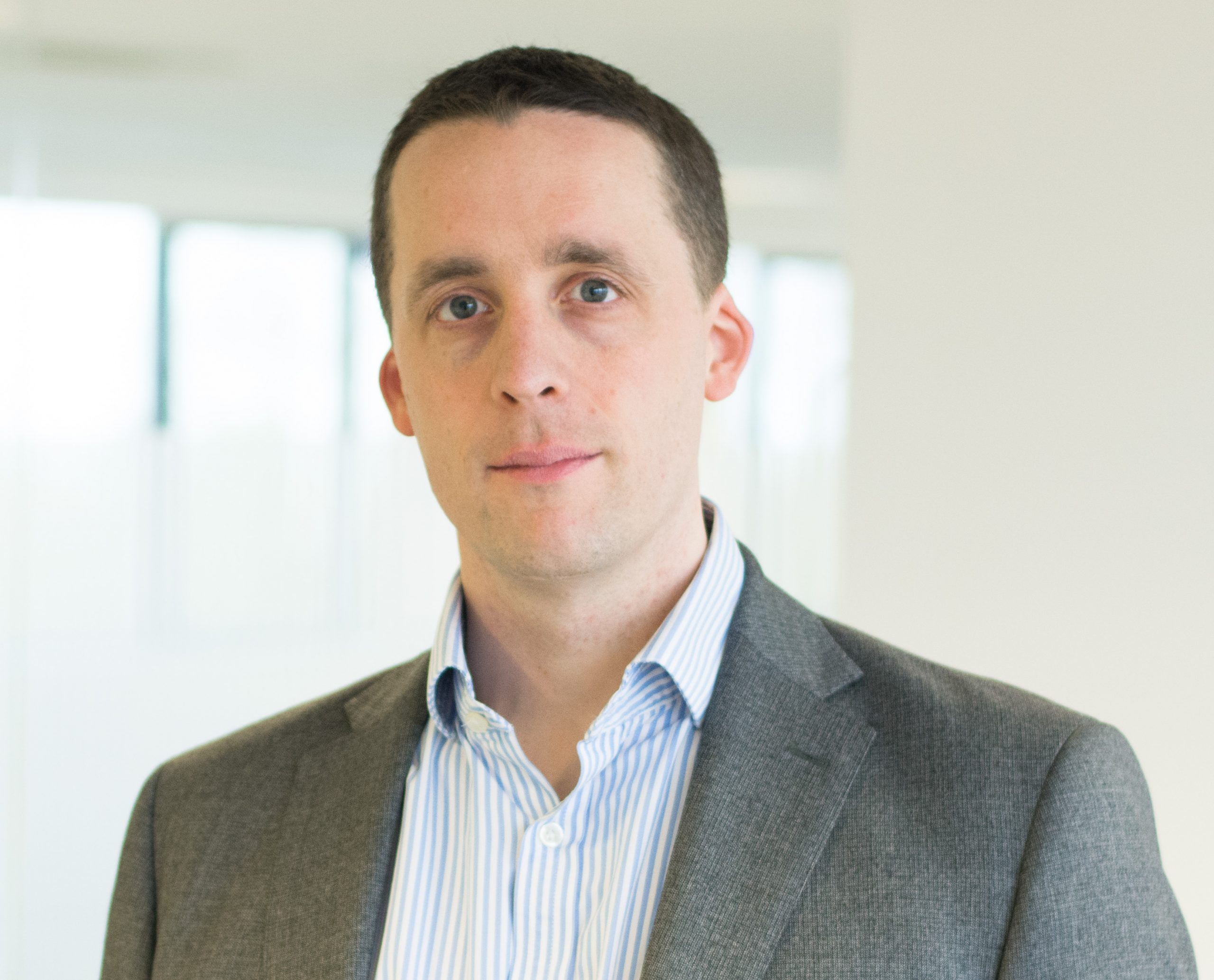
Alex West
Senior Principal Analyst, Industrial IoT
Alex West is a Senior Principal Analyst for the manufacturing technology group. Working across its coverage of industrial sustainability, digital transformation and industrial automation, Alex supports clients through consult and syndicated engagements. Alex also looks at the impact of technology on the future of work and is a regular contributor to Omdia’s Industrial Sustainability Today newsletter.
Over his twenty years as an analyst, covering discrete and process automation, as well as machinery markets, he has helped customers to understand the potential of the technology markets and perform voice of the customer analyses. He has provided analyses of competitive environments, business models, technology trends, and end-user requirements. He has consulted on the best practices for implementing IIoT, supported go-to-market strategies, and created market positioning content. He is a regular keynote speaker at industry events, tradeshows, and conferences worldwide. Alex holds a Bachelor of Science (Honors) in physics from the University of Bath, England and is based in Northampton, UK.

Add a comment