Today, industrial leaders face mounting pressure to embrace sustainable solutions while maintaining efficiency and profitability. Green hydrogen has emerged as a transformative energy source with the potential to power industries while reducing reliance on traditional fuels. However, high production costs and the complexity of integrating renewable energy into existing systems challenge green hydrogen’s widespread adoption. To help, facilities can focus on process and power.
By leveraging digital tools, leaders can help pave the way for a more resilient and forward-thinking energy future. Solutions like EcoStruxure™ Power and Process optimize energy systems and bridge renewable sources with hydrogen technologies.
A new energy model for green hydrogen
China’s energy transition is fundamentally reshaping its industrial landscape by prioritizing renewable electrification and green hydrogen as central pillars.
Renewable electrification focuses on harnessing energy sources like wind and solar to replace coal, a resource long dominant in China’s energy framework. While renewables offer clear environmental advantages, their inherent variability presents operational challenges.
Traditional energy systems were designed to ensure consistent power output regardless of fluctuations. However, renewable energy requires a new model where demand follows supply. In this model, energy consumption adjusts to match availability. This reorientation calls for changes in how industries manage and utilize electricity. This includes adopting technologies capable of optimizing energy storage, balancing loads, and integrating renewables into production processes.
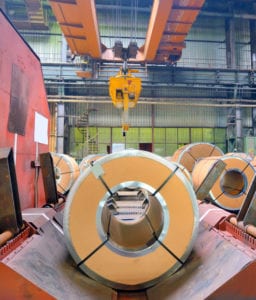
Green hydrogen, produced using renewable electricity, plays a pivotal role in addressing these challenges while driving industrial decarbonization. For example, in conventional steelmaking processes, coke – a residue derived from coal – is used as a reductant, contributing significantly to carbon emissions. Hydrogen-based direct reduction iron technology eliminates the need for coke. Its success, however, hinges on using green hydrogen derived from renewable energy sources. Beyond steelmaking, green hydrogen also provides versatility for other industrial applications. It acts as a clean energy carrier that can store and transport renewable energy efficiently.
For plant managers, the integration of green hydrogen requires careful planning and adaptation to renewable volatility. A key consideration is the design and implementation of a generation-grid-load-storage integration (GGLI) system. This system connects renewable energy generation with industrial hydrogen production and usage, creating a seamless flow that optimizes efficiency while reducing emissions. Achieving this integration involves advanced simulations to forecast renewable output, calculate storage needs, and predicting system behavior under fluctuating conditions.
Co-simulation for actionable insights
Schneider Electric’s digital solutions are transforming the way industrial facilities approach the production and integration of green hydrogen. By addressing critical challenges such as economic feasibility and system complexity, these tools enable plant managers to optimize their process and power, reduce costs, and support the transition to sustainable energy sources.
One key advancement is the ETAP Electrical Digital Twin Platform, which works in conjunction with the AVEVA Dynamic Solution (ADS). These technologies allow facilities to simulate the dynamic interactions between wind power, electrolysis, and ammonia synthesis, each of which operates under different technical principles.
The integration of process and power data provides a unified view of operations to help achieve operational resilience and efficiency. This co-simulation approach provides plant managers with actionable insights into system performance, including:
- Energy storage needs
- Hydrogen production limits during fluctuating renewable conditions
- The impact of operational stress on equipment lifespan
By enabling transparent data for market transactions, lifecycle tracking facilitates smoother adoption of green hydrogen within industries seeking cleaner energy solutions, utilizing electron-to-molecule energy tracing technology. This way, plant managers gain visibility into how renewable energy transforms into hydrogen and ammonia at every stage of production. This digital ledger ensures auditable carbon footprint data and helps quantify the cost gap between green hydrogen and traditional alternatives.
Shuimu Mintal’s energy transition
Schneider’s contributions to certification standards are driving industrial adoption forward. This is exemplified by their partnership with Shuimu Mintal (Damao) Hydrogen Energy Technology Co., Ltd. Through their collaboration on the Baotou Electro-Hydrogen-Ammonia Integration Project, Shuimu Mintal achieved the world’s first REDIII-compliant green ammonia certification during the design phase. This certification gives plant managers a competitive edge in global markets, allowing their facilities to bypass European carbon tariffs and access international opportunities for green hydrogen and ammonia exports.
Co-simulation addresses the economic and operational barriers that hinder the scaling of green hydrogen. By improving efficiency, enabling detailed tracking, and meeting certification needs, Schneider equips plant managers with the tools necessary to close the cost gap and position their facilities for success.
Fu Xiaolong, vice president of Beijing Tsinghua Industrial Research Institute and general manager of Shuimu Mintal, said that transitioning from coal-based power to renewable energy and replacing gray hydrogen with green hydrogen are strategic imperatives for achieving the nation’s dual-carbon goals.
Driving global progress in the hydrogen industry
Global collaboration is fundamental to advancing the hydrogen industry. Transitions to green hydrogen require expertise and resources that span across technical domains and national borders.
Fu emphasized the need for a global technology ecosystem, where stakeholders work together to overcome challenges such as cost reduction and system integration. Schneider’s partnership with Tsinghua Industrial Research Institute showcases how collective efforts can accelerate progress and unlock new opportunities for industrial plant managers.
Schneider facilitates these connections through its global network and expertise across electrical, automation, and chemical engineering fields. Our specialists address complex system coupling issues, enabling seamless integration of renewable energy and hydrogen production processes.
Reduce costs with software integration
One strategic priority for plant managers is cost reduction – a critical factor in making green hydrogen economically viable. The goal for Tsinghua Industrial Research Institute, Fu mentioned, is to bring production costs down to ¥18/kg by 2028. This requires advancements in electrolyzer technology and optimized configurations of wind-solar-storage-hydrogen systems. Plant managers benefit from these innovations by reducing operating expenses and improving the financial feasibility of adopting green hydrogen within their operations.
Another focus area is scalable replication, exemplified by the Baotou Model developed through Schneider’s collaboration. This closed-loop system integrates renewable energy generation, hydrogen production, ammonia synthesis, and industrial applications like steelmaking.
Standardization leadership is equally important for ensuring that hydrogen technologies can compete on a global stage. For plant managers, standardized certifications not only simplify compliance but also enhance market access. This enables their facilities to meet global expectations and position themselves as leaders in the transition to sustainable energy.
Digital tools for sustainable process and power
Digital twin solutions represent a pivotal advancement in the pursuit of curbing GHG emissions, particularly through their support of green hydrogen technologies. Industrial plant managers have a unique opportunity to lead this shift. Green hydrogen, paired with renewable energy, offers a clear pathway to decarbonize operations and meet sustainability goals.
EcoStruxure Power and Process provides the tools and strategies needed to navigate this transition effectively, helping industries align with a future built on clean, resilient energy systems.


Add a comment