
If it’s time to extend or upgrade your electrical infrastructure, it makes clear sense to choose equipment that’s connected by default, meaning from factory, which offers real rewards – both now and in future.
With the exponential growth of electrification and renewables taking place today, businesses need to make sure they have the right electrical infrastructure to support their goals. The scale of change often requires investing in brand new low and medium voltage equipment. This can be a major capital cost – and naturally, maintenance and facility managers are keen to keep their budgets under control. But for those who want to get the most from this spending, it’s worth looking to the future and thinking carefully about what represents long-term value. The wisest investment is rarely what’s cheapest now, but rather what will serve you best over the coming decades.
At Schneider Electric, we’re focused on the long-term health of electrical distribution systems. Through our technology combined with our services expertise, we support a more proactive approach to electrical asset management. We do this by installing IoT-connected sensors on equipment, which gather ongoing measurements of crucial variables such as temperature, electrical network information and environmental conditions. We then apply AI-powered analytics to the data from these sensors, generating detailed insights on how the electrical installation is operating. This comprehensive, digitally-driven monitoring of electrical infrastructure supports wide-ranging improvements to efficiency and performance, as well as helping reduce the risk of downtime. It makes it possible for organizations to identify potential problems with their equipment at an early stage, before these lead to failures, accidents and wasted resources. It also means they can avoid carrying out expensive and intrusive maintenance work when it’s not needed. In this way, it allows businesses to move from a reactive approach – responding to emergencies and unforeseen issues – to a smarter, more cost-effective way of working, based on the equipment’s actual health status.
In the past, we have been installing connected sensors on existing electrical infrastructure, but increasingly, we’re incorporating these sensors into our new equipment as standard – meaning it’s connectable from the factory. Our newest medium-voltage switchgear and interruptible power supply (UPS) assets are connected by default – or what we sometimes refer to as natively connected. The SM AirSeT and MCSeT, for example, include embedded IoT sensors that support health status monitoring from day one, as does the Galaxy VXL 3-phase UPS.
Data-driven from the start
When an electrical system includes ageing equipment that may be deteriorating, inefficient or unsafe, the value of using connected sensors and digital monitoring is clear. But perhaps you’re wondering whether this is really needed for brand new devices. Can’t these be expected to work effectively for at least the first few years?
In fact, this monitoring is most effective when implemented from day one. We can understand this by thinking about how we manage our own health, where it’s better to be proactive rather than reactive. Many serious health issues – such as heart attacks and strokes – are influenced by lifestyle factors, including diet, exercise, and the use of alcohol and tobacco. If a person experiences one of these, a doctor will give them emergency care to stabilize their condition, and then provide advice on living in a healthier way to reduce future risks. But it’s much better to plan ahead to help avoid these serious events before they happen. The earlier in life that someone develops healthy habits, the more they can expect to avoid potentially life-threatening situations and costly emergencies.
To help them do this, increasing numbers of people are investing in wearable fitness trackers. These continuously measure variables such as heart rate, exercise and sleep to create an in-depth picture of health over time. The wearer can see how their activity influences these metrics and make lifestyle changes accordingly. They still need to visit a doctor, of course – and will benefit from their advice. But because they’re managing their health proactively, medical appointments can be more routine, further apart, and involve less intervention – with the tracker data providing an informed basis for discussion.
The same principles apply to electrical infrastructure. When organizations use digital sensors and analytics to monitor their system’s health, they can manage it more effectively – improving efficiency, enhancing performance and optimizing maintenance. This can lead to considerable advantages. One of the major benefits is the adoption of condition-based maintenance, for instance, which can allow businesses to extend the periods between planned shutdowns by up to 40% for electrical distribution equipment (moving from three to up to five years), and by up to 50% for 3-Phase UPSs (moving from one to up to two years). In fact, based on our experience and the low and medium-voltage connected assets we monitor, over 70% are able to postpone their manufacturer maintenance visit schedule by up to 2 years, and in some cases, even longer.
But to realize these benefits, electrical asset managers first need to understand how their system works. Until they build up a detailed picture of what’s happening, they won’t have the information needed to make effective changes.
At the same time, there’s another factor which needs to be taken into consideration: the significant misalignment between the rising demand for electrical engineers and the growth in new workforce entrants (7% compared to less than 1%, according to US government statistics). These skills shortage puts companies even under more pressure – and it’s another reason why working with the right services provider to optimize your use of resources can make a real difference.
Monitoring electrical equipment from the point of installation provides the visibility required for a proactive approach to electrical asset management. It supports long-term improvements, and the early identification of problems caused by unpredictable factors like operating conditions, environment, and more. That’s why it’s best to gather data on your infrastructure as soon as possible, through equipment that’s connected by default.
Invest in proactive electrical asset management with EcoCare
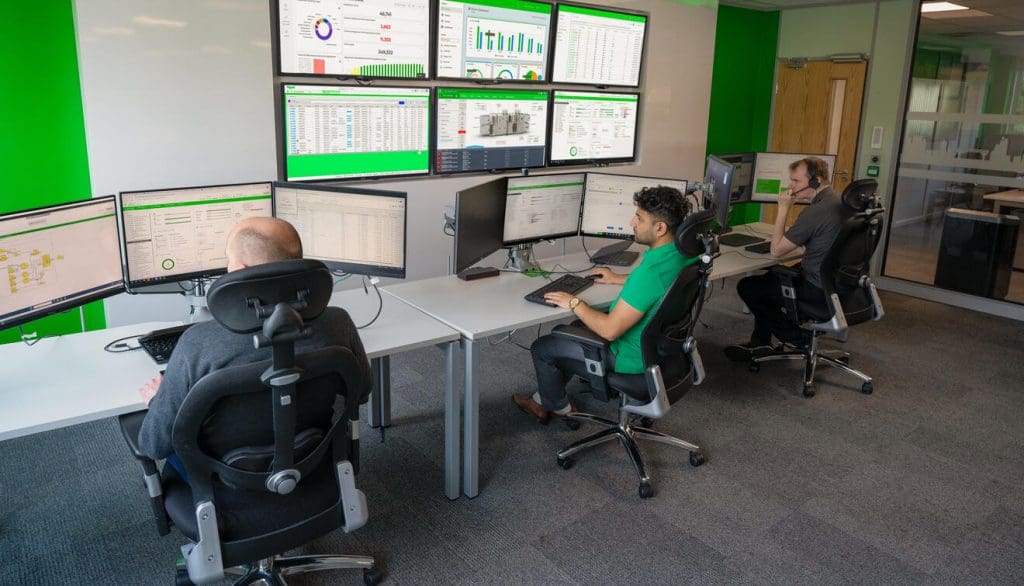
Schneider Electric’s natively connected equipment, combined with our EcoCare services membership*, a next-generation digital service plan, helps protect your CapEx investment from day one. Becoming an EcoCare member means having access to a package of benefits, such as priority access to services support, including emergency support with a defined Service Level Agreement (SLA), throughout the lifecycle of your equipment. Even better, it comes with 24/7 remote monitoring from services experts who act as an extra set of eyes and notify customers about any critical anomalies that could impact the uptime of their installation, based on AI-powered analytics and our exclusive indexes. Depending on the subscription level, EcoCare also offers expert recommendations and insights on system health, and dynamic maintenance scheduling through condition-based maintenance. This helps reduce the risk of downtime and optimize maintenance, while enhancing the safety and efficiency of operations – supporting a shift towards a more proactive approach to electrical asset management. In addition, EcoCare provides discounts on spare parts and on-site intervention, and it also covers extended warranty (either included or as an option), meaning your new equipment will benefit from enhanced services compared to a traditional warranty. If the equipment fails, for example, instead of standard warranty support with no defined response time, a technician will visit your site within the guaranteed EcoCare time frame, which is something highly required in a business context which cannot afford downtime.
The remote monitoring of electrical systems brings real rewards from the moment of installation – and its value will only increase as the capacities of AI-driven analytics grow. Forward-thinking electrical asset managers know this is a game changer. And when they consider the impact of their investment over the full lifecycle, it makes clear sense to choose components that are connected by default. For a small additional cost (EcoCare annual fees typically start at 1-3% of the equipment value), businesses will not only gain reassurance that their infrastructure is working as it should, but also lay solid foundations for future efficiency and uptime. The digital world is arriving fast – are you ready for it?
Find out more about how taking a proactive approach to electrical asset management from day one supports cost-effective and reliable operations. Download the ARC white paper: A Downtime-Free Future in Industry: Strategic Initiatives for Enhanced Reliability.
* Please verify the availability of EcoCare in your region through a local services sales representative. If EcoCare is not yet available, you can leverage EcoStruxure Service Plan.



Add a comment